
Introduction
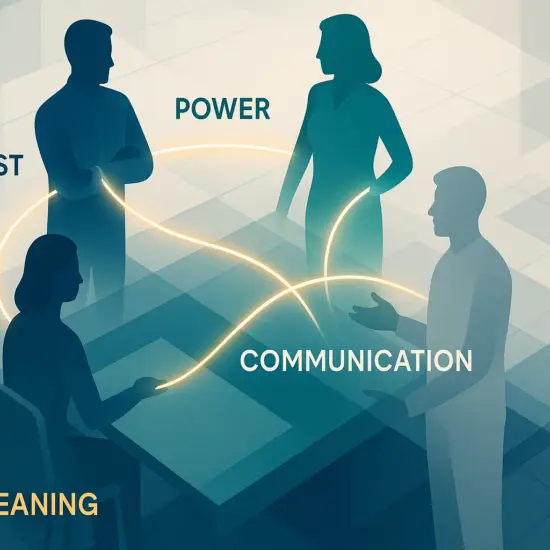
Picture this: a leadership team facing a high-stakes project deadline, tension rising, and everyone working under pressure. Some leaders push harder, while others pause, listen, and refocus the team’s energy. The difference? Emotional intelligence.
In today’s volatile business landscape, pressure is inevitable—but how leaders respond to it defines their teams’ performance. Emotionally intelligent leaders don’t just manage stress; they transform it into a shared sense of purpose. They help their teams channel pressure into focus, creativity, and resilience.
In this article, we’ll explore how emotionally intelligent leadership turns pressure into collective performance. We’ll unpack the science behind emotional intelligence (EI), the real-world challenges organizations face, and practical ways experiential learning—like the programs designed by Practex—helps leaders strengthen these critical capabilities. By the end, you’ll see why EI isn’t just a nice-to-have; it’s the foundation of sustained high performance.
Why Emotional Intelligence Matters Under Pressure
When the stakes are high, technical expertise alone isn’t enough. Emotional intelligence determines whether leaders amplify stress or transform it into synergy. This section explores why EI is the hidden driver of collective performance during challenging times.
The Neuroscience of Pressure and Performance
Under pressure, the brain defaults to survival mode. Fight, flight, or freeze responses can hijack rational thinking. Emotionally intelligent leaders recognize these signals early—in themselves and others—and recalibrate. They model calm, creating psychological safety even when the environment is tense.
This leads to better decision-making and emotional regulation, two cornerstones of effective leadership under stress. In practice, this means leaders can maintain clarity while guiding their teams through uncertainty.
Empathy as a Performance Multiplier
Empathy doesn’t mean lowering standards—it means understanding what drives people to perform at their best. When leaders acknowledge emotions rather than suppress them, they foster trust and collaboration. Teams that feel seen and supported don’t crumble under pressure; they rally together.
Building on this, Practex emphasizes empathy in its experiential learning simulations, allowing leaders to practice active listening and emotional awareness in realistic, high-pressure scenarios.
Resilience Through Self-Awareness
Emotionally intelligent leaders are deeply self-aware. They understand their triggers, manage their reactions, and model composure. This resilience is contagious—it shapes the emotional tone of the entire team. The result? A culture that thrives under challenge instead of collapsing from it.
In practice, self-awareness acts as an internal compass, helping leaders stay grounded when things get tough.
With a clear understanding of why emotional intelligence matters, the next step is examining the common challenges leaders face when pressure intensifies.
The Real Challenges Leaders Face Under Pressure
Even the most capable leaders struggle to balance performance demands with emotional stability. Here’s what typically goes wrong when emotional intelligence is missing from the equation.
Overdrive Leadership: When Pressure Becomes Toxic
Many leaders equate pressure with productivity. They push harder, work longer, and expect the same from their teams. But this “overdrive” approach often backfires, leading to burnout and disengagement. Without emotional awareness, leaders mistake compliance for commitment.
This becomes even more critical when organizations undergo transformation—something Practex sees frequently in MENA-based enterprises navigating Vision 2030 initiatives.
Silenced Teams and Psychological Safety Gaps
When pressure mounts, employees may hesitate to speak up. Fear of judgment or blame stifles innovation. Emotionally intelligent leaders counter this by creating psychological safety—a space where honest dialogue fuels improvement, not defensiveness.
In practice, this means leaders encourage curiosity over perfection. They ask, “What can we learn?” instead of “Who’s at fault?”
The Empathy-Execution Imbalance
Some leaders swing too far toward empathy, avoiding tough decisions to protect morale. Others overemphasize results, ignoring emotional signals. True EI balances both—driving accountability while staying attuned to human dynamics. It’s not softness; it’s strategic awareness.
Practex’s experiential simulations help leaders find this balance by practicing decision-making in emotionally charged contexts, revealing their blind spots in real time.
Recognizing these challenges sets the stage for exploring how emotionally intelligent leaders turn pressure into a collective advantage.
Turning Pressure Into Performance: The Emotional Intelligence Advantage
Emotionally intelligent leaders don’t eliminate pressure—they harness it. They reframe stress as a shared challenge that can strengthen cohesion. Let’s look at how this transformation happens in practice.
Emotional Regulation as a Team Anchor
When leaders manage their emotions effectively, they anchor the team’s emotional state. Calm leadership stabilizes group dynamics, especially in crises. This emotional steadiness fosters confidence and reduces reactivity across the team.
Building on this, Practex programs help leaders rehearse these moments in simulated environments, turning emotional control into a practiced skill, not a theoretical concept.
Shared Meaning and Purpose
Pressure becomes productive when everyone understands why their work matters. Emotionally intelligent leaders connect tasks to purpose, aligning personal motivation with organizational goals. This shared meaning turns stress into commitment.
In practice, this alignment transforms short-term pressure into long-term engagement—a core focus in Practex’s experiential learning design.
Adaptive Communication
EI-driven leaders adjust their communication style to match the emotional climate. They know when to inspire, when to challenge, and when to listen. This flexibility keeps the team responsive and cohesive under shifting conditions.
Here’s why that matters: adaptability builds trust, ensuring messages are received as intended even under stress.
Once leaders understand how to transform pressure, the next question is: how can organizations build these capabilities systematically?
Building Emotional Intelligence Through Experiential Learning
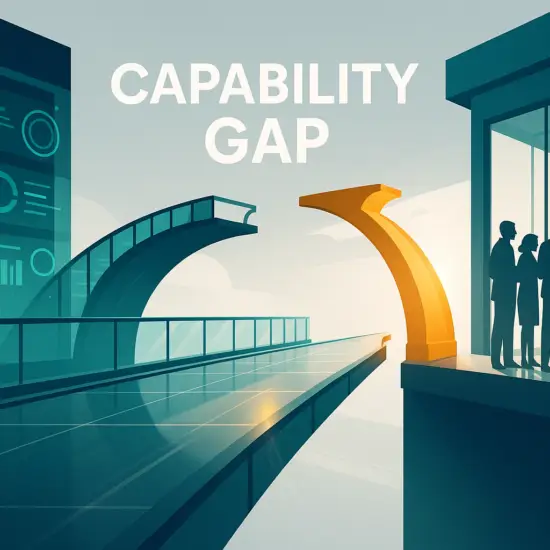
Traditional leadership training often focuses on knowledge transfer—what to do, not how to do it under pressure. Experiential learning changes that by giving leaders a safe space to practice emotional intelligence in action.
From Theory to Practice
Reading about emotional intelligence is one thing; applying it in a heated meeting is another. Practex bridges this gap by designing simulations that replicate real workplace stressors. Leaders practice responding, reflect on outcomes, and receive feedback in real time.
This leads to genuine behavior change, not just awareness—a distinction that defines effective L&D programs.
Feedback as a Learning Accelerator
In experiential settings, feedback isn’t abstract—it’s immediate and actionable. Participants see how their emotional responses affect team dynamics. Over time, they develop the muscle memory to respond intentionally, not impulsively.
Building on this, Practex’s facilitators guide structured reflection, helping participants connect emotional insights to performance outcomes.
Safe Practice, Real Impact
The beauty of simulation-based learning is safety. Leaders can make mistakes, test approaches, and learn without real-world consequences. This psychological safety encourages experimentation and accelerates emotional growth.
In practice, this turns training into transformation—leaders walk away not just informed but equipped.
With experiential learning as the foundation, the next step is embedding emotionally intelligent leadership into daily organizational life.
Embedding Emotionally Intelligent Leadership in Organizations
Developing EI isn’t a one-time event—it’s a cultural shift. To sustain it, organizations must integrate emotional intelligence into leadership systems, feedback loops, and team rituals.
Modeling From the Top
Culture cascades from leadership behavior. When senior leaders demonstrate empathy, transparency, and composure under pressure, others follow. This modeling creates a ripple effect that normalizes emotionally intelligent behavior across teams.
In practice, this means leadership development must start at the top—a principle Practex reinforces in every program design.
Integrating EI Into Performance Systems
Many organizations measure performance by metrics alone. Integrating emotional intelligence into KPIs—like collaboration, adaptability, and communication—signals that how results are achieved matters as much as the results themselves.
This leads to sustained cultural alignment, ensuring EI becomes a performance enabler, not an afterthought.
Reinforcing Through Team Rituals
Small habits sustain big changes. Regular reflection sessions, open feedback circles, and recognition of emotionally intelligent behavior keep the concept alive. Over time, these rituals embed EI into the organizational DNA.
Building on this, Practex encourages post-program reinforcement to maintain momentum long after training ends.
Embedding EI sets the stage for continuous improvement. But what does the future of emotionally intelligent leadership look like in an evolving workplace?
The Future of Emotionally Intelligent Leadership
As organizations evolve, emotional intelligence will become even more central to leadership effectiveness. AI, hybrid work, and rapid transformation demand leaders who can connect authentically across complexity and distance.
Leading in a Hybrid World
Digital communication lacks emotional cues, making empathy and clarity more vital than ever. Emotionally intelligent leaders compensate by being intentional—checking in on well-being, reading tone, and fostering belonging remotely.
In practice, this means mastering both technological and emotional fluency—a dual capability Practex integrates into its future-ready leadership programs.
AI and Human Connection
As automation handles routine tasks, the human edge will be emotional intelligence. Creativity, empathy, and ethical judgment will define leadership impact. EI ensures technology serves people, not the other way around.
Building on this, organizations that invest in emotional intelligence now will future-proof their leadership pipelines.
The Rise of Collective Intelligence
Tomorrow’s high-performing teams won’t rely on individual brilliance but on collective intelligence—the ability to think, feel, and act together under pressure. Emotionally intelligent leadership is the catalyst that makes this possible.
The result? Organizations that thrive not despite pressure, but because of it.
With this future in sight, let’s bring the conversation back to what you can do today to start building emotionally intelligent leadership in your organization.
Moving Forward
Emotionally intelligent leadership isn’t about being soft—it’s about being smart with emotion. Under pressure, these leaders transform stress into focus, empathy into alignment, and challenge into growth. Through experiential learning, organizations can turn these skills from theory into second nature.
Ready to transform how your leaders respond to pressure? Connect with Practex to design experiential learning programs that help your teams practice emotional intelligence in real-world simulations. Together, we’ll turn pressure into performance and potential into progress.